Which is the Best Time to Visit Kedarnath
Kedarnath, one of the most revered Hindu pilgrimage sites, is nestled in the majestic Himalayas of Uttarakhand, India. Famous for its ancient Kedarnath Temple dedicated to Lord Shiva, this sacred destination draws thousands of devotees and travelers every year. But planning a trip to Kedarnath requires careful timing due to its high-altitude location, unpredictable weather, and seasonal accessibility. In this guide, we’ll help you understand the best time to visit Kedarnath to make your journey safe, comfortable, and spiritually fulfilling.
Understanding Kedarnath’s Climate
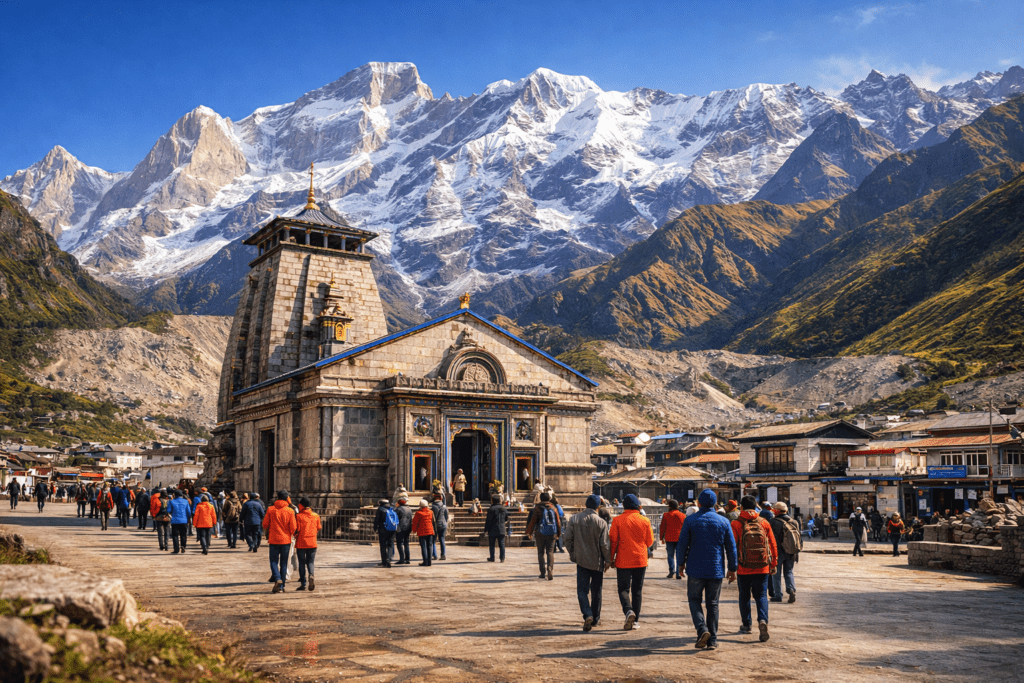
Kedarnath is located at an elevation of approximately 3,583 meters (11,755 feet) above sea level. The climate here is primarily alpine, characterized by cold winters, moderate summers, and heavy monsoon rains. Here’s a breakdown of Kedarnath’s seasonal climate:
Summer (May to June)
Summer is the most popular season for visiting Kedarnath. During May and June:
-
- The weather is pleasant with temperatures ranging from 12°C to 30°C.
-
- The snow begins to melt, making trekking routes more accessible.
-
- The temple is fully open, and most facilities like hotels, guesthouses, and trekking services are operational.
Summer is ideal for pilgrims and adventure enthusiasts who want to enjoy scenic views, lush greenery, and safe trekking paths.
Monsoon (July to September)
The monsoon season brings heavy rainfall to the region:
-
- The area experiences frequent landslides and slippery trails.
-
- Rivers and streams swell, increasing the risk for travelers.
-
- Trekking becomes difficult and sometimes dangerous due to muddy paths and poor visibility.
It is generally not recommended to visit Kedarnath during the monsoon unless you are an experienced trekker prepared for adverse conditions.
Autumn (September to October)
Autumn is considered another favorable period for visiting Kedarnath:
-
- The monsoon recedes, leaving behind fresh, lush landscapes.
-
- The weather is cool and stable, with temperatures between 10°C and 25°C.
-
- Visibility is excellent, allowing panoramic views of the Himalayan ranges.
This season is ideal for travelers who prefer less crowded temples and serene natural surroundings.
Winter (November to April)
Winter in Kedarnath is extremely harsh:
-
- Temperatures can drop below freezing, often reaching -10°C or lower.
-
- Heavy snowfall blocks the roads, making the temple inaccessible.
-
- Most accommodations and trekking routes are closed.
Winter visits are generally restricted to locals or experienced mountaineers, as trekking and transportation are highly challenging.
Best Time to Visit Kedarnath
Considering the climate, accessibility, and safety, the best time to visit Kedarnath is from May to June and September to October.
-
- May to June: Ideal for first-time pilgrims, families, and those who want to enjoy pleasant weather and open facilities.
-
- September to October: Perfect for travelers seeking tranquility, fewer crowds, and scenic beauty after the monsoon.
Month-wise Weather and Conditions
| Month | Average Temperature (°C) | Weather Conditions | Accessibility & Notes |
| January | -10 to 5 | Heavy snow, freezing cold | Temple closed; trekking impossible |
| February | -8 to 7 | Snow continues | Temple closed; only locals or mountaineers can visit |
| March | -5 to 10 | Snow starts melting | Temple still closed; limited accessibility |
| April | 0 to 15 | Snow melting, occasional rain | Temple may open late April; trekking possible with caution |
| May | 12 to 25 | Pleasant, clear skies | Temple open; ideal for pilgrims |
| June | 15 to 30 | Warm, mostly sunny | Peak pilgrimage season; trekking easier |
| July | 12 to 25 | Heavy monsoon rains | Risk of landslides; not recommended |
| August | 10 to 22 | Monsoon continues | Trekking risky; slippery trails |
| September | 10 to 25 | Post-monsoon, clear skies | Temple open; scenic and peaceful |
| October | 8 to 22 | Cool, stable weather | Best time for serene visits; fewer crowds |
| November | 0 to 15 | Cold, snowfall starts | Temple closes; trekking not advised |
| December | -8 to 5 | Heavy snowfall, freezing | Temple closed; only locals or mountaineers |
Factors to Consider While Planning Your Trip
Even during the ideal months, some factors should guide your planning:
-
- Road Conditions: The road to Kedarnath may be affected by landslides, especially after heavy rains. Always check current travel advisories.
-
- Trekking Readiness: The final stretch to Kedarnath involves a 16 km trek from Gaurikund. Ensure you are physically prepared.
-
- Accommodation: Book your stay in advance during peak seasons to avoid last-minute hassles.
-
- Health Precautions: High-altitude sickness can affect travelers. Stay hydrated and take adequate rest.
-
- Local Festivals: Visiting during festivals like Maha Shivratri or Badri-Kedar Utsav can enhance your spiritual experience but expect larger crowds.
Packing & Travel Checklist for Kedarnath
Visiting Kedarnath requires careful preparation due to its high altitude, unpredictable weather, and trekking requirements. Here’s a handy checklist to make your journey safe and comfortable:
Clothing
-
- Warm jackets and sweaters (even in summer, nights are cold)
-
- Comfortable trekking pants and t-shirts
-
- Thermal innerwear for early mornings and evenings
-
- Raincoat or waterproof jacket (especially for post-monsoon or unexpected showers)
-
- Gloves, woolen cap, and scarf
Footwear
-
- Sturdy trekking shoes with good grip
-
- Extra pairs of socks (preferably moisture-wicking)
-
- Comfortable sandals or slippers for resting at lodges
Trekking Essentials
-
- Walking stick or trekking pole
-
- Backpack with rain cover
-
- Water bottles or hydration pack
-
- Snacks like energy bars and dry fruits
-
- Trekking map or GPS device
Health & Safety
-
- First aid kit with basic medicines
-
- Altitude sickness medication (consult a doctor beforehand)
-
- Sunscreen, sunglasses, and lip balm
-
- Hand sanitizer and wet wipes
Miscellaneous
-
- Camera or smartphone for capturing scenic views
-
- Power bank for charging devices
-
- ID proof and necessary permits
-
- Small flashlight or headlamp
Tip: Travel light but ensure you carry essentials to make the trek and stay at high altitudes comfortable.
Tips for a Comfortable Visit
-
- Carry warm clothing: Even in summer, nights can be chilly.
-
- Pack trekking essentials: Good shoes, walking sticks, and rain gear are recommended.
-
- Respect local customs: The temple is a sacred place; follow guidelines and dress modestly.
-
- Stay connected: Mobile network may be limited, so inform someone about your travel plans.
Conclusion
Kedarnath is a destination that combines spiritual significance with breathtaking natural beauty. Timing your visit is crucial to ensure safety, comfort, and a memorable pilgrimage experience. By planning your trip between May to June or September to October, you can enjoy pleasant weather, open facilities, and serene Himalayan landscapes while avoiding the challenges of monsoon and winter. Proper preparation and awareness of local conditions will make your journey to Kedarnath smooth and spiritually rewarding.
FAQs
1. Is Kedarnath open all year round?
No, Kedarnath Temple is generally open from late April or early May to October. It remains closed in winter due to heavy snowfall.
2. Can I trek to Kedarnath during monsoon?
It is not recommended due to landslides, slippery trails, and the risk of accidents. Only experienced trekkers should consider it with caution.
3. What is the best month for a peaceful visit?
September and October are ideal for a peaceful visit with fewer crowds and stable weather.
4. How long is the trek to Kedarnath?
The main trek from Gaurikund to Kedarnath is approximately 16 kilometers, which can take 6–8 hours depending on fitness level.
5. Are there medical facilities near Kedarnath?
Yes, there are basic medical facilities and rescue services along the trekking route, but advanced care is limited.